
Stygian Outer Gods Review Guide for the Full Release
Read this stygian outer gods review guide for sourced critic opinions, version 1.0 context, buying considerations, and clear Early Access review distinctions.
On this page
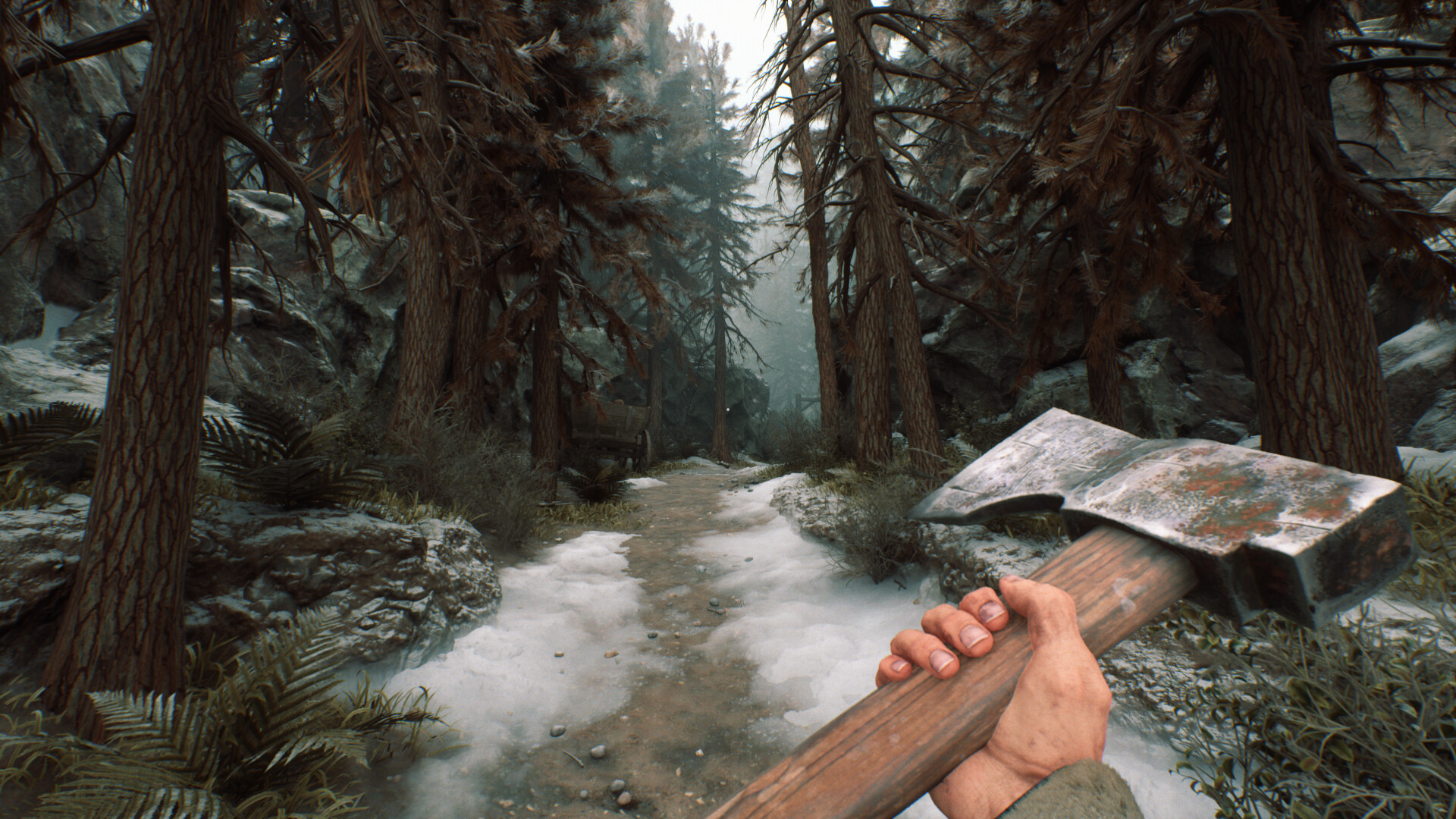
What this Stygian Outer Gods review can establish
This article compares published criticism and explains how to use it for a buying decision. We have not completed an independent review playthrough, so there is no site score, measured performance result, or claim of firsthand experience. Recommendations below are editorial judgments about the available evidence and the priorities a prospective player might have.
The important release boundary is October 26, 2026, when the publisher announced version 1.0. A review of an April 2025 build answers a different question from a launch review. It can identify concerns to investigate, but it cannot establish how the full release plays after subsequent changes.
What launch coverage says
In his October 26, 2026 VGTimes review, Dmitry Kartashov values the atmosphere and exploration while criticizing awkward close combat, uneven pacing, limited role-playing depth, and technical problems. His review is more favorable toward investigating the setting than toward expecting sophisticated RPG systems. Those are the reviewer's judgments, rather than findings independently reproduced by this site.
For a reader, the useful question is which of those dimensions matters most. An atmospheric setting may carry an evening of exploration for someone who enjoys assembling a mystery, while uncomfortable combat may dominate another player's entire impression. A recommendation becomes more useful when it identifies that tradeoff instead of compressing it into an unsupported universal verdict.
Do not treat one launch article as a consensus. Look for another independent review that discusses the same issue and explains the circumstances in which it appeared. Agreement on a specific problem is more informative than several outlets using similar broad adjectives in their summaries.
Early Access reviews deserve their own category
Jessica Filby's April 11, 2025 Dexerto Early Access review praised the unsettling atmosphere while finding movement, combat, and RPG execution disappointing. The article explicitly described a developing game and withheld a final score. Its comments on shortness concern that earlier content state and should not become a full-release completion estimate.
Erik Hodges' Try Hard Guides Early Access review was more comfortable with the straightforward gameplay but raised serious outdoor performance concerns. He also criticized character interactions while appreciating the setting and visuals. The page displays a May 16, 2025 update date, so it remains historical evidence rather than a current benchmark.
The disagreement is useful because it highlights tolerance as part of the verdict. Two critics can encounter similar systems and attach different importance to their limitations. Read the actual explanation before deciding that one writer's recommendation is incompatible with another writer's criticism.
Atmosphere versus mechanical satisfaction
The editorial case for considering the game is strongest when you actively enjoy investigating a hostile place. Ask yourself whether environmental curiosity can sustain your interest even when an individual encounter is frustrating. If that preference already describes your favorite horror experiences, the positive comments about atmosphere are relevant to your decision.
If your interest comes from responsive action, focus your research on the shape of encounters. Watch how attacks begin and end, whether feedback is readable, and how the player reacts when surrounded. A short piece of uninterrupted gameplay can answer those personal comfort questions better than a montage of impressive locations.
Avoid assuming that a genre label promises a particular depth of character building. Decide which RPG features you actually want, such as consequential dialogue, extensive equipment comparison, or strongly differentiated abilities. Then look for a review that demonstrates those features rather than allowing the label alone to establish your expectations.
Performance needs a comparable setup
An old performance complaint is a reason to investigate, not a sufficient description of your likely result. A useful comparison includes the game version, processor, graphics card, memory, resolution, settings, and the part of the game being tested. Without those details, a smooth video and a frustrated comment may both be accurate for different circumstances.
Pay attention to consistency as well as an average frame-rate figure. A game can look comfortable in a quiet interior while producing distracting interruptions elsewhere, and the relevant question is whether that pattern affects how you play. Current performance on a specified test system remains pending confirmation in this overview.
If technical smoothness is essential to your enjoyment, make that a purchase condition. Look for footage of normal exploration and combat rather than accepting a claim that optimization has improved as a substitute for a test. Publisher patch notes can document intended fixes, while independent testing helps establish their practical effect.
How to read player feedback after launch
Player recommendations are most useful when they explain an experience you can compare with your preferences. A complaint about a particular control interaction is easier to evaluate than a one-word dismissal, and a positive account is stronger when it explains what held the writer's attention. Neither becomes representative simply because it attracts agreement.
Filter by date and check whether the writer identifies the build they played. Someone may publish after launch while describing a save or playthrough started much earlier. Treat that as contextual information, especially if the review discusses an apparent progression issue without identifying where it occurred.
This overview deliberately does not freeze Steam percentages or review totals into the buying verdict. Those figures change, and a broad average can combine several development stages. The Metacritic reference explains how to separate an aggregate rating from an individual review and an Early Access assessment.
A practical buying decision
Consider buying when the setting is your main attraction and current footage shows controls and pacing you can enjoy. Consider waiting when your interest depends on a specific technical fix or a level of RPG complexity that the available coverage has not demonstrated. Both decisions can be sensible for different readers without pretending there is one correct tolerance for rough edges.
For value, compare the current price with your willingness to replay and explore rather than relying on an unverified hours-per-dollar calculation. Full-release completion time remains pending confirmation in our playtime reference. An earlier critic calling the developing game short does not provide that missing measurement.
The resulting editorial recommendation is conditional: investigate further if atmospheric exploration is the draw, and seek better evidence first if polished action or proven performance is essential. This is intentionally narrower than claiming everyone should buy or avoid it. The linked original reviews provide the writers' own reasoning, context, and conclusions.