
Stygian Outer Gods HowLongToBeat and Playtime Guide
Use this stygian outer gods howlongtobeat guide to distinguish story and completion runs, assess Early Access claims, and plan without invented hour totals.
On this page
- Stygian Outer Gods HowLongToBeat answer
- First check the version behind an estimate
- The historical 10+ hour developer target
- One ending or an exploration run
- Three endings and New Game+ change replay scope
- Treat Early Access shortness claims carefully
- Plan sessions without assuming a campaign total
- Achievement goals are a separate commitment
- Sources
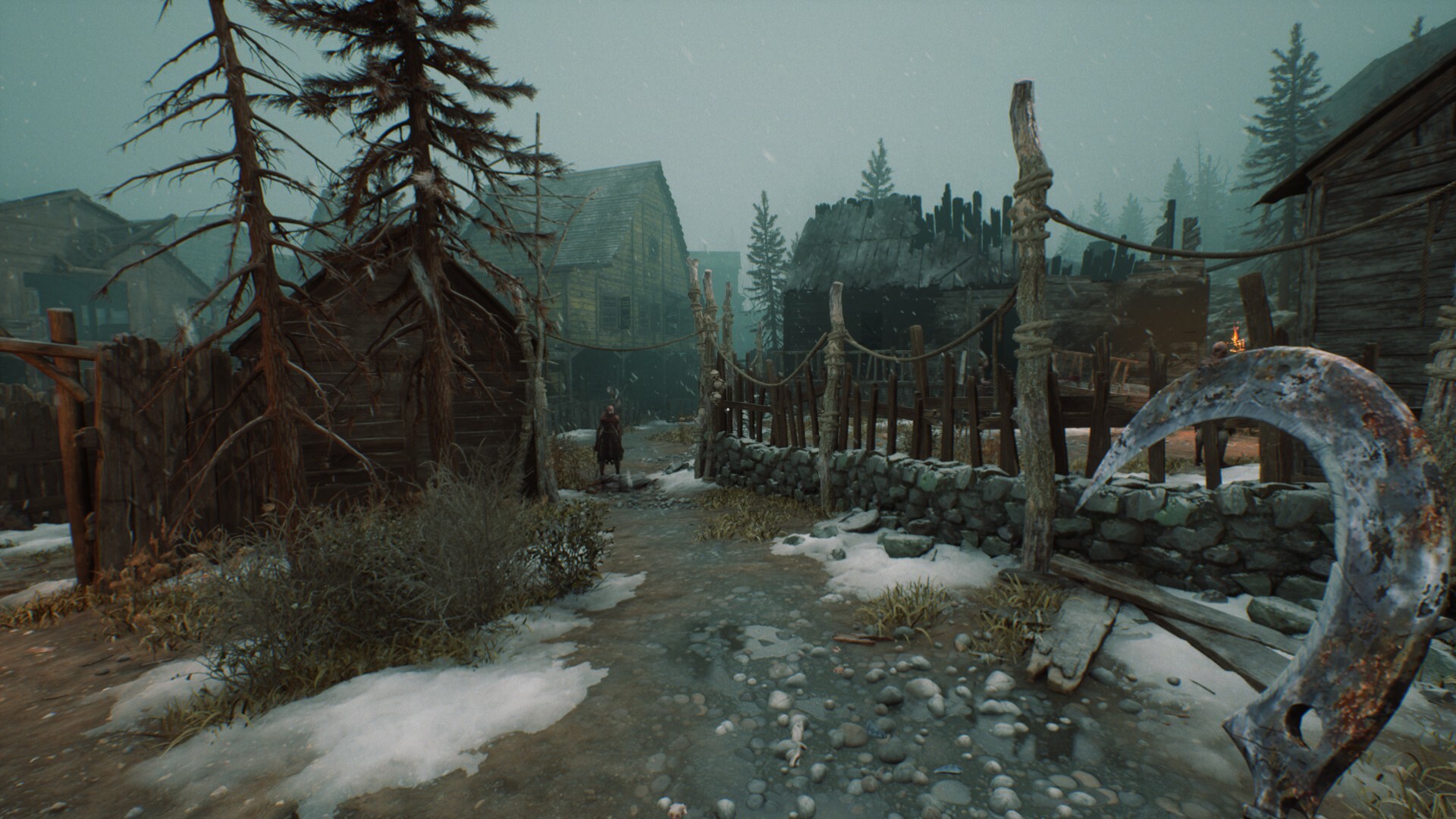
Stygian Outer Gods HowLongToBeat answer
A verified current HowLongToBeat average for the full release is pending confirmation. This guide therefore supplies no measured main-story, optional-content or completionist hour total. That does not mean the database has no entry or that nobody has finished the game; it means there is no confirmed comparable average to quote here.
For planning, distinguish reaching your first ending from exploring broadly or pursuing alternate outcomes. Version 1.0 supplies a completed story, three endings and a New Game+ option, according to the publisher's launch highlights. Those are concrete reasons why two players can set different finishing goals without either goal being wrong.
If a fixed campaign length is essential to your purchase, wait for a completed-run report that identifies the full release. If your interest is atmospheric exploration, decide how much optional investigation you enjoy before comparing someone else's pace. The sections below separate the known content scope from the timing that still needs confirmation.
First check the version behind an estimate
Steam distinguishes an April 14, 2025 Early Access release from the October 26, 2026 release of Stygian: Outer Gods. The publisher's launch announcement confirms version 1.0 and describes new final content, endings, and New Game+. That makes the build date essential when interpreting a reported finish time.
A person can accurately report finishing the available Early Access material without having completed the current campaign. Their timing remains a report about the content they played, rather than an estimate that can simply be copied into a full-release table. Do not add an invented number of hours for later content to turn it into one.
Also distinguish a player's publication date from the dates of their actual play sessions. Someone posting after launch may be discussing an earlier save, returning after a long break, or timing only newly added material. A useful report explains its scope instead of expecting the reader to infer it from when the comment appeared.
The historical 10+ hour developer target
The earlier Steam Early Access FAQ described a planned complete story with 10+ hours of playtime. It tied that target to exploration and reading lore in books and letters, and explicitly described development plans that could change. This is a historical developer target, not a measured HowLongToBeat average or a guarantee for your run.
That distinction explains why you may encounter a numerical length claim even though this page leaves current averages unresolved. Do not relabel the target as a main-story measurement, a completionist figure or a verified minimum. It provides development context without proving how long the released campaign takes.
One ending or an exploration run
For a first story run, your practical endpoint can be reaching one ending while following the main objective. Use the walkthrough if you need help maintaining progress, or the puzzle guide for a focused obstacle. Looking up a specific interaction is a different playing choice from reading the entire route in advance, so choose the amount of help that suits you.
An exploration-focused run gives more room to notes, optional spaces and additional leads. The historical developer FAQ specifically associated reading and exploration with variable playtime, so a fast route should not automatically become your personal expectation. This guide has no verified count of optional objectives or time allowance per location, and does not add invented hours for them.
Keep the goal manageable if this is your first visit to Kingsport. You can prioritize discovering the story before deciding whether to pursue every outcome or achievement. A first ending is a meaningful stopping point, even though it does not establish that you have exhausted everything the game offers.
Three endings and New Game+ change replay scope
The launch highlights identify three endings based on player choices. That establishes alternate outcomes, but it does not establish the exact branch points or whether every ending requires a complete new run. The endings and choices guide keeps those story questions separate from a general completion-time estimate.
The same announcement describes New Game+ as a more challenging second playthrough. That makes replay an explicit option rather than merely restarting to revisit familiar locations. Exact carryover rules, unlock requirements and the extra time needed remain pending confirmation, so this page does not promise that a second run is faster or shorter.
Do not multiply a hypothetical first-run duration by three to estimate all endings. Such arithmetic would assume a route structure and replay requirement that have not been established. Decide first whether you want one conclusion, alternate outcomes or the New Game+ challenge, then look for timing reports that match that specific goal.
Treat Early Access shortness claims carefully
The April 2025 Dexerto review describes its Early Access experience as short and explicitly leaves room for development. That observation belongs to the build and content available to that reviewer. It does not supply a measured duration for the October 2026 release.
This distinction is especially important in search snippets, where the date and qualification can disappear. Open the original page before turning an adjective like short into a specific hour total. A review's judgment about value or pacing is not the same kind of evidence as a documented completed-run timer.
Do not borrow a time from Stygian: Reign of the Old Ones either. Check the full title and, where available, the matching product identifier before using any completion database. A plausible figure attached to the wrong game is still the wrong answer for your schedule.
Plan sessions without assuming a campaign total
Start with the amount of time you comfortably want to spend in one sitting. Choose a personal stopping condition, such as resolving your current objective or reaching a suitable place to pause, instead of promising yourself a fixed fraction of an unmeasured campaign. The goal is to make the session enjoyable without needing a speculative total.
Keep a short note of the active problem before you finish. Record where you intended to go next and which clue or item prompted that decision, using names shown in your own game. This reduces the time spent reconstructing your reasoning when you return after several days.
If you dislike spoilers, decide in advance how long you want to investigate an obstacle before seeking a hint. Begin with an explanation of the immediate interaction rather than a full ending guide. That gives you control over your pace without assuming that another player's faster route is the ideal experience.
Achievement goals are a separate commitment
Use the achievement reference if your finishing goal is a particular unlock rather than the final story scene. The launch announcement includes new achievements among the full-release additions, so an older checklist may describe a different content state. This page does not establish a complete achievement route or a measured all-achievements duration.
Choose named goals before beginning cleanup, and keep them separate from a blind story run. That lets you stop when your own objective is complete instead of treating an undefined completionist label as an obligation. Exact missable conditions, minimum playthrough counts and whether achievements require New Game+ remain pending confirmation.
When a future full-release estimate becomes available, check whether it describes one ending, broad exploration or this wider checklist. Prefer reports that explain guide use and include completed runs, rather than a library timer that could include idle time or an abandoned attempt. Until then, the known scope helps you choose a goal, while numerical averages remain pending confirmation.