
Stygian Outer Gods Guide: Survive Your First Hours
Use this stygian outer gods guide to plan your first hours, understand talent cards, manage sanity, solve early obstacles and avoid outdated advice.
On this page
- Start with the current version
- Choose interactions before chasing a perfect build
- Treat the opening as an exploration lesson
- Make supplies serve a specific objective
- Use the environment during encounters
- Watch mental strain as well as injuries
- Separate puzzles that happen in nearby areas
- Know what the mansion achievement proves
- Plan the next session around one unanswered question
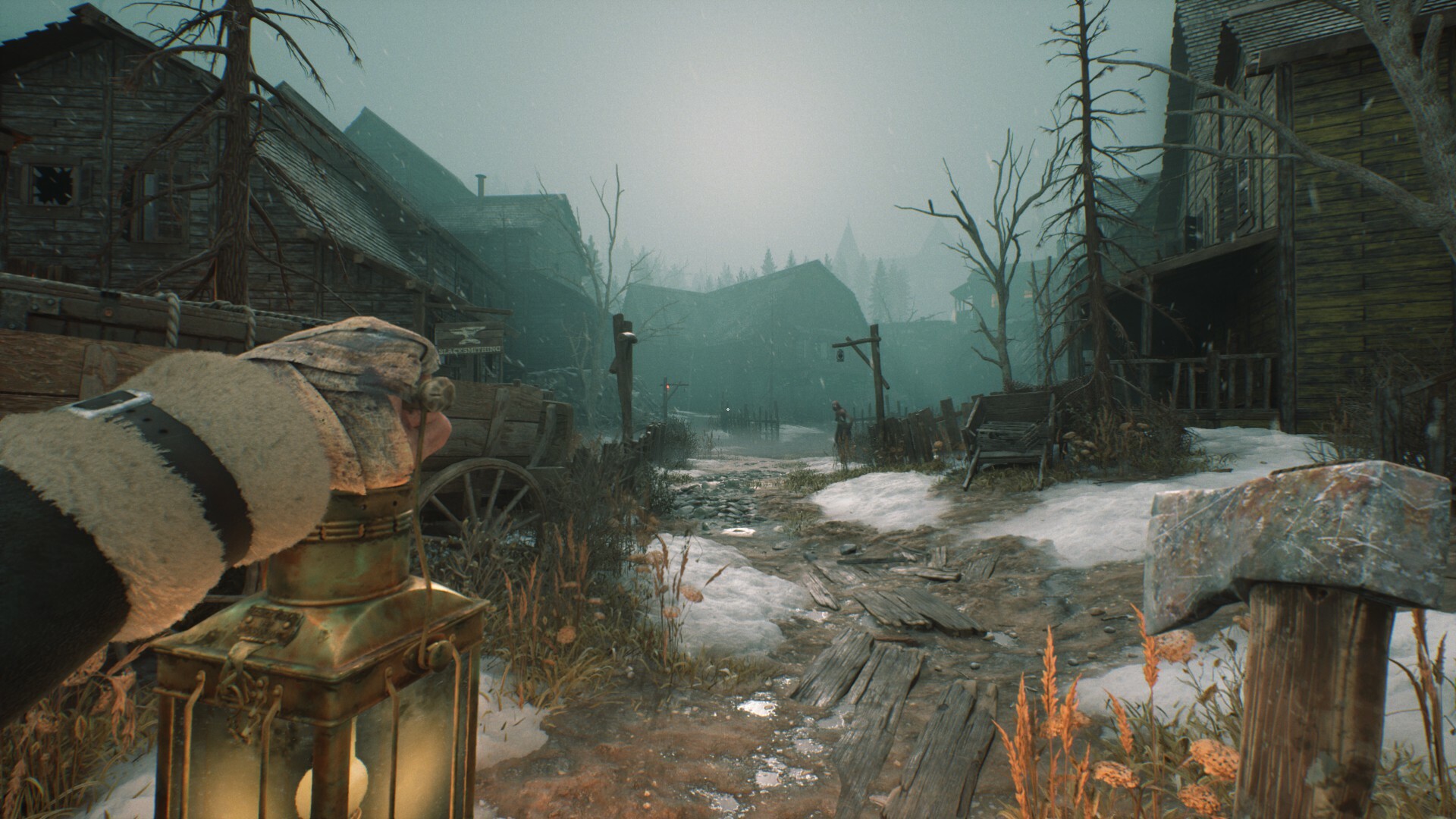
Start with the current version
Stygian: Outer Gods reached version 1.0 on October 26, 2026, after an Early Access period that began in April 2025. The publisher says older saves can be used, but recommends a fresh playthrough to reduce unexpected technical problems. Start there if you are returning after a long break, rather than assuming an old character will demonstrate the intended opening progression. Publisher launch announcement.
Older guides are useful for recognizing locations and systems, but they are not automatically current walkthroughs. An April 2025 article may stop at a gate that later updates opened, or describe a key placement that subsequently changed. Check the guide's date and the quest you actually see before spending resources to reproduce an old route.
Choose interactions before chasing a perfect build
The developer describes a classless progression system built around talent cards. Gold cards grant interactions or abilities, while Silver cards strengthen existing capabilities and aspects of Jack's resilience. Your first useful question is which obstacles you want to approach differently, rather than which conventional RPG class you should select. Developer talent explanation.
Speak with Dead opens conversations with otherwise inaccessible witnesses, while Leverage lets you move heavy obstructions. Those are different tools for discovering information and routes, so neither should be described as a universal replacement for the other. Read the actual card description before selecting it, and do not assume an attractive name promises a particular quest outcome.
Treat the opening as an exploration lesson
The published Early Access walkthrough describes searching the arrival area, using a workbench and helping an injured person to progress toward Kingsport. That makes it a useful example of how exploration, crafting and interaction connect, rather than a reason to run directly between objective markers. Exact ingredient requirements and item placements for your current build should be checked in the game's own interface. Dated opening walkthrough.
Search an accessible room before deciding that its locked exit is your only option. Keep track of readable notes, workbenches and entrances you cannot yet use, then return when you have the relevant tool or ability. This is a practical way to organize exploration, not a claim that every locked door has a hidden bypass.
Make supplies serve a specific objective
Crafting is part of the game's survival structure, and official descriptions connect exploration with materials, medicines and usable equipment. Before making an item, compare its purpose with the obstacle you are trying to solve and the supplies you already carry. That keeps preparation focused without relying on an invented recipe or an unsupported claim about the best item economy. Official GOG description.
Distinguish an item you need immediately from one you are merely worried about needing later. A locked route, an injury and an unfinished puzzle are separate problems, even when they appear in the same area. Avoid applying numerical shopping lists from older versions unless the current recipe and inventory confirm them.
Use the environment during encounters
The publisher's combat notes explicitly describe throwable objects as tactical tools. They can interrupt an enemy, create an opening, distract an unaware threat or help you retreat. A bottle or movable object is therefore worth noticing even when it is not a conventional weapon. Alternative combat developer notes.
Before committing to a fight, identify where you can move and what you are trying to reach. A plan to pass an enemy needs different resources from a plan to defeat it, so decide which objective matters first. The developer does not promise a single weapon that solves every encounter, and this guide does not assign unverified damage values or guaranteed stagger timings.
Watch mental strain as well as injuries
Psychological harm is a core part of the game's horror systems, rather than decorative story text. The official game description says afflictions can change the gameplay experience, while character development affects how Jack faces the supernatural. Read the status information when your character changes instead of assuming every difficulty comes from low physical health. Steam product page.
A cautious exploration loop is to inspect the next objective, assess your current condition and then decide whether to continue or prepare. That is an editorial planning method, not a hidden mechanic or a tested optimal route. Precise affliction thresholds, recovery rates and resistance formulas are pending confirmation, so no numerical build prescription is presented here.
Separate puzzles that happen in nearby areas
The mines contain a reported four-symbol puzzle, while community reports describe another object-based puzzle associated with a lighthouse key. A hidden cave beneath the lighthouse uses its own clues and symbols. Identifying the mechanism first is more useful than entering a solution simply because the search result mentions the same area. Mine symbol discussion.
For a four-symbol mechanism, read the nearby note and compare its imagery with the controls in front of you. For the cave riddle, the relevant discussion sends players back toward village landmarks instead of treating the cave's blocks as a self-contained number lock. Our mine puzzle page and cave clue page keep those questions separate.
Know what the mansion achievement proves
Steam's achievement descriptions distinguish opening the mansion gates from entering its garden maze and unlocking its sarcophagus. Completing the gate objective therefore does not mean you have finished every mansion puzzle or entered every wing. Use the achievement text to identify milestones, not as a complete checklist of prerequisites. Official achievement descriptions.
The same distinction helps when comparing a short opening guide with a later mansion walkthrough. One may explain how to arrive at the estate, while another assumes the interior is already available. Our Brasko's Mansion guide explains that progression boundary without inventing keys or claiming a complete route through the final release.
Plan the next session around one unanswered question
End an exploration session by recording your current objective, the last reliable landmark and the obstacle that stopped you. A screenshot of the puzzle note or locked interaction often makes a follow-up question easier to answer than a general statement that you are stuck. This simple record also helps you reject advice for a different location, game or Early Access build.
The most useful beginner route is the one your actual objectives and available interactions support. Use the linked original sources for version context and the focused pages for individual problems. Exact late-game solutions, universal build rankings and claims of a guaranteed best ending remain pending confirmation unless a page supplies evidence for them.
Related pages
Stygian Outer Gods Brasko's Mansion Entry Guide
Find stygian outer gods brasko's mansion entry prerequisites, the tablet gate route, later mansion expansions, and practical checks for blocked progression.
Stygian Outer Gods Code for 4 Blocks in Mines: Solution
Find the stygian outer gods code for 4 blocks in mines, learn the reported symbol order and distinguish this mechanism from the lighthouse cave puzzle.
Stygian Outer Gods Code for Smugglers Cave: Clues
Check the stygian outer gods code for smugglers cave: the reported village landmarks, three-symbol order and limits of the lighthouse cave solution.